
What Makes a Good Pickleball Shoe?
Pickleball has become one of the fastest-growing sports in the world, and the demand for the right footwear is growing with it. A good pickleball shoe is not just about style — it should support fast movement, quick stops, and stable side-to-side action on the court.
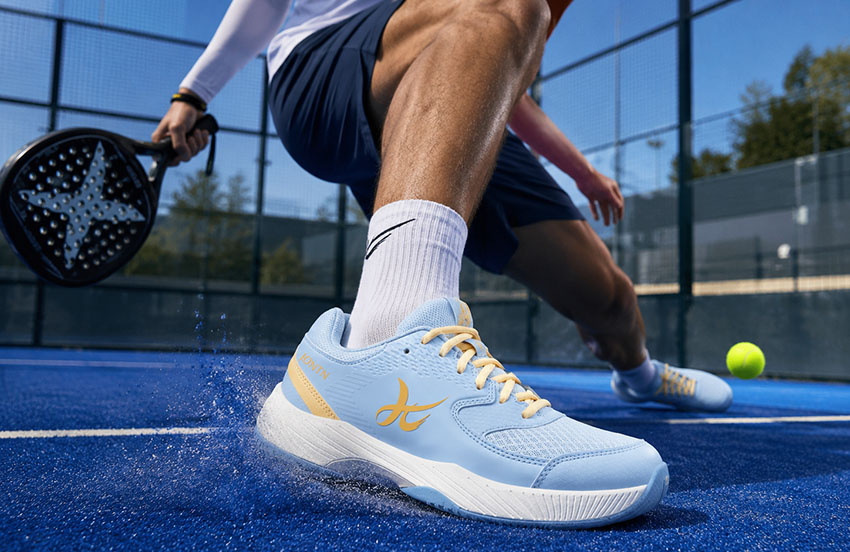
Why Pickleball Shoes Matter
Pickleball looks simple at first glance, but the movement patterns are very different from running or walking. Players need to react quickly, change direction often, and stay balanced during short bursts of movement. That is why regular sneakers are usually not the best choice.
A proper pickleball shoe helps improve comfort, stability, and confidence during play. It can also help reduce the risk of slipping, ankle strain, or foot fatigue over time.
Key Features of a Good Pickleball Shoe
A good pickleball shoe usually combines several important performance features:
- Stable support: The shoe should keep the foot secure during quick lateral movement.
- Good traction: The outsole should grip the court well without feeling sticky.
- Cushioning: Enough shock absorption is important for comfort during long matches.
- Durability: High-wear areas should be reinforced to handle frequent stops and turns.
- Breathability: Lightweight, breathable materials help keep the shoe comfortable.
- Comfortable fit: A proper fit makes a big difference in performance and feel.
These features work together to create a shoe that feels reliable on court, not just good in a product photo.
Outsole Design
The outsole is one of the most important parts of a pickleball shoe. It affects grip, movement, and how smoothly a player can stop and start. Many good pickleball shoes use patterns that provide controlled traction, especially on hard court surfaces.
The right outsole should help players move with confidence while still allowing natural foot motion. Too much grip can make turning feel awkward, while too little grip can create instability.
Lateral Support and Stability
Pickleball involves a lot of side-to-side movement, so lateral support is essential. The shoe should hold the foot firmly during quick changes in direction and help keep the player stable during sudden reactions at the net.
This is one of the main reasons pickleball shoes are different from traditional running shoes. Running shoes are designed mainly for forward motion, while pickleball shoes need to support multi-directional movement.
Cushioning and Comfort
Comfort is another major factor. A good pickleball shoe should offer enough cushioning to soften impact, especially during longer games or repeated play sessions. At the same time, it should not feel too soft or unstable.
The best balance is usually a midsole that feels supportive, responsive, and comfortable without adding unnecessary weight. Players want a shoe that feels light on the foot but still dependable.
Durability for Frequent Play
Pickleball shoes need to withstand regular court wear. Areas like the toe, outsole, and side panels often take the most stress, especially for players who slide, pivot, or drag their feet during play.
Reinforced materials can help extend the life of the shoe and make it more appealing to serious players and repeat buyers. For brands, durability is often one of the clearest selling points.
Style Also Matters
Performance is the priority, but style still matters. Many players want a shoe that works well on court and also looks modern off court. Clean shapes, sporty colorways, and brand identity all help a product stand out.
For brands, this is a good opportunity to combine function with a strong visual design. A well-designed pickleball shoe can appeal to both performance-focused buyers and casual sports consumers.
Developing a Pickleball Shoe for Your Brand
If your brand is planning to launch a pickleball shoe line, start with the player experience. Think about what kind of movement the shoe needs to support, what court surface it will be used on, and what price point you want to target.
A strong product usually comes from the right mix of outsole design, upper construction, cushioning, and fit. When those elements are balanced well, the final shoe feels natural and performs the way players expect.
A good pickleball shoe is built around stability, traction, comfort, and durability. It should support the fast, side-to-side nature of the game while still feeling light and comfortable enough for regular play.
For brands entering this category, the best products are the ones that solve real performance needs while still offering a clean and marketable design.
