
Barefoot Shoes vs. Regular Walking Shoes: What’s the Difference?
Barefoot shoes and regular walking shoes may look similar at first glance, but they are built with very different ideas in mind. One is designed to let your feet move more naturally, while the other focuses more on cushioning, support, and everyday comfort.
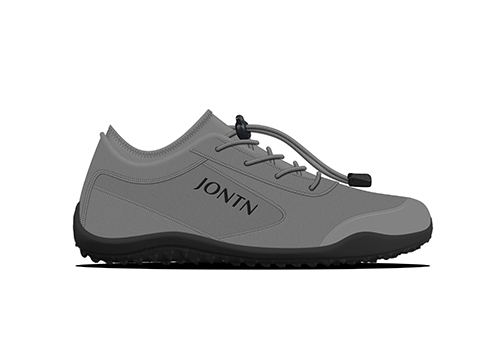
What Are Barefoot Shoes?
Barefoot shoes are made to feel as close to walking barefoot as possible, while still giving your feet a layer of protection. They usually have a thin sole, a wide toe box, and very little heel drop.
The idea is simple: let your feet move the way they were designed to move. That means more ground feel, more flexibility, and less structure.
What Are Regular Walking Shoes?
Regular walking shoes are built for comfort, support, and shock absorption. They usually have thicker cushioning, more arch support, and a more structured shape than barefoot shoes.

For many people, this makes them feel familiar and easy to wear right away. They are often a safe choice for daily walking, travel, and long periods on your feet.
Key Differences
The biggest differences between barefoot shoes and regular walking shoes come down to structure, cushioning, and foot movement.
- Sole thickness: Barefoot shoes have a much thinner sole, while walking shoes usually have more cushioning.
- Toe box shape: Barefoot shoes are wider in the front, giving toes more room to spread.
- Heel drop: Barefoot shoes are usually flat or nearly flat, while walking shoes often have a raised heel.
- Flexibility: Barefoot shoes bend more easily, while walking shoes are generally more structured.
- Ground feel: Barefoot shoes give more contact with the ground, while walking shoes soften that feeling.
These differences can change how your feet, ankles, and legs work during walking.
Pros of Barefoot Shoes
Barefoot shoes can feel more natural and lightweight. Many people like the freedom they give the feet, especially if they prefer a less restrictive shoe.
They may also encourage a more natural walking pattern, with more awareness of posture and foot placement. For people who like minimal footwear, that can be a big advantage.
Pros of Regular Walking Shoes
Regular walking shoes are usually more forgiving, especially for people who are not used to minimal footwear. The extra cushioning can make long walks feel easier and more comfortable.
They are also often a better option for people who want immediate softness underfoot or who spend a lot of time on hard surfaces. For everyday wear, many people prefer the familiar feel of a traditional walking shoe.
Which One Should You Choose?
The better choice depends on your needs, comfort level, and how your feet respond to different shoes.
If you want a natural feel, wide toe space, and a lighter design, barefoot shoes may be a good fit. If you prefer more cushioning and support, regular walking shoes may be the better option.
A good way to think about it is this: barefoot shoes are more about movement, while regular walking shoes are more about comfort and protection.
Final Thoughts
Barefoot shoes and regular walking shoes serve different purposes, so neither one is automatically better for everyone. The right choice depends on how you walk, what feels comfortable, and what kind of support you want from your footwear.
For brands, this category is worth paying attention to because more consumers are now looking for shoes that match their lifestyle, not just their appearance.
 Previous Article